


When most people think about influencer marketing they imagine a consumer driven brand. Business to consumer makes sense for instagram because it generally isn’t a business platform,

Explore the risks of using open AI in news distribution and investor relations. Learn how ACCESS Newswire prioritizes data security while enhancing customer experience with safe AI tools.

Discover how strategic public relations drives trust and credibility with
investors, media, and consumers. Learn how to align your PR with growth.

In public relations, knowing how to craft a strong media pitch is one of the most important skills for generating coverage. Unlike a press release, which broadly shares information, a story pitch is a personalized, strategic communication that intrigues journalists and compels them to learn more. Whether you're pitching the media for a product launch, a major announcement, or an expert interview, mastering the elements of an effective media pitch can significantly boost your PR results.
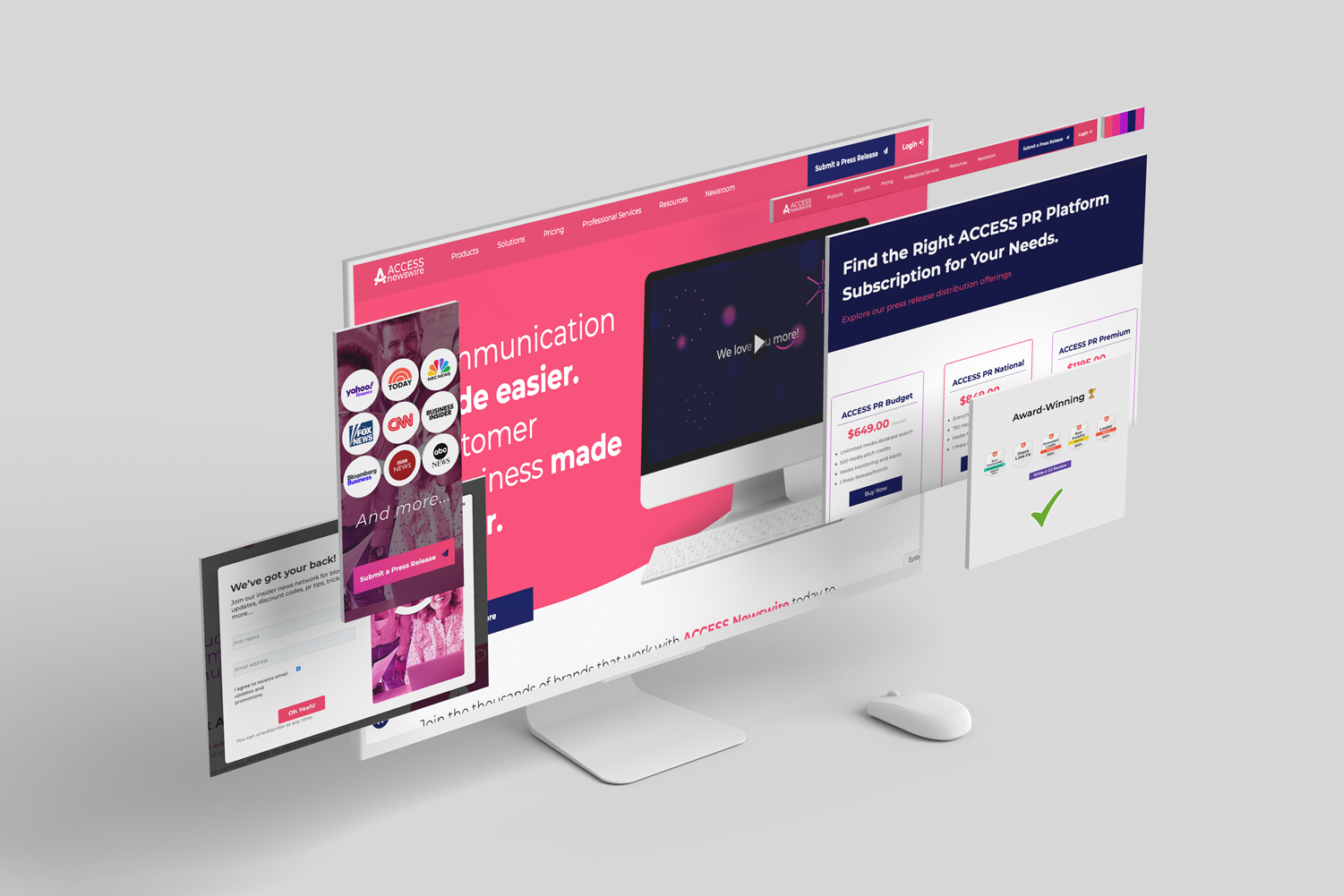
Looking for the best press release services in 2025? Compare the top 10 platforms for reach, SEO, and media pickup—plus see why ACCESS Newswire ranks #1.

Discover the most impactful sites for press release visibility in 2025—from Yahoo! Finance to Google News—and learn how ACCESS Newswire helps your news reach millions

Discover the must-have features of an effective investor relations website and what to expect from a top IR site provider. From real-time financial reporting to mobile design, security, SEO, and global accessibility—learn how the right provider can enhance transparency, investor confidence, and brand reputation.

Avoid the most common press release template mistakes that can hinder your PR efforts. Learn how to craft clear, engaging, and newsworthy releases by improving your headlines, messaging, multimedia use, and SEO. Elevate your PR game with expert tips and a free downloadable template from ACCESS Newswire.

Discover the importance of media releases in PR and how they bridge traditional and digital media. Learn how press releases, news releases, and media releases can enhance brand visibility, engage stakeholders, and drive media coverage. Read more on best practices, strategic distribution, and crafting effective media releases at ACCESS Newswire.

Learn PR Fundamentals and how to integrate AI to expedite your success.
Click here to read the article and improve your skills.
When most people think about influencer marketing they imagine a consumer driven brand. Business to consumer makes sense for instagram because it generally isn’t a business platform,
Explore the risks of using open AI in news distribution and investor relations. Learn how ACCESS Newswire prioritizes data security while enhancing customer experience with safe AI tools.
Discover how strategic public relations drives trust and credibility with
investors, media, and consumers. Learn how to align your PR with growth.
In public relations, knowing how to craft a strong media pitch is one of the most important skills for generating coverage. Unlike a press release, which broadly shares information, a story pitch is a personalized, strategic communication that intrigues journalists and compels them to learn more. Whether you're pitching the media for a product launch, a major announcement, or an expert interview, mastering the elements of an effective media pitch can significantly boost your PR results.
Looking for the best press release services in 2025? Compare the top 10 platforms for reach, SEO, and media pickup—plus see why ACCESS Newswire ranks #1.
Discover the most impactful sites for press release visibility in 2025—from Yahoo! Finance to Google News—and learn how ACCESS Newswire helps your news reach millions