




84% of AI citations point to sources brands don't own. Learn how press releases and earned media earn citations in ChatGPT, Gemini and Perplexity answers.

This guide walks you through everything you need to know — structure, style, and what PressRelease.com’s editorial team looks for when reviewing a submission.

PressRelease.com gives you something most PR services don’t: the ability to choose exactly where your story appears. With more than a dozen outlets available, each reaching a different audience, the right choice depends entirely on what you’re trying to accomplish. This guide makes that decision easy.

You Published a Press Release. Now What? The Complete Guide to Amplifying Your News
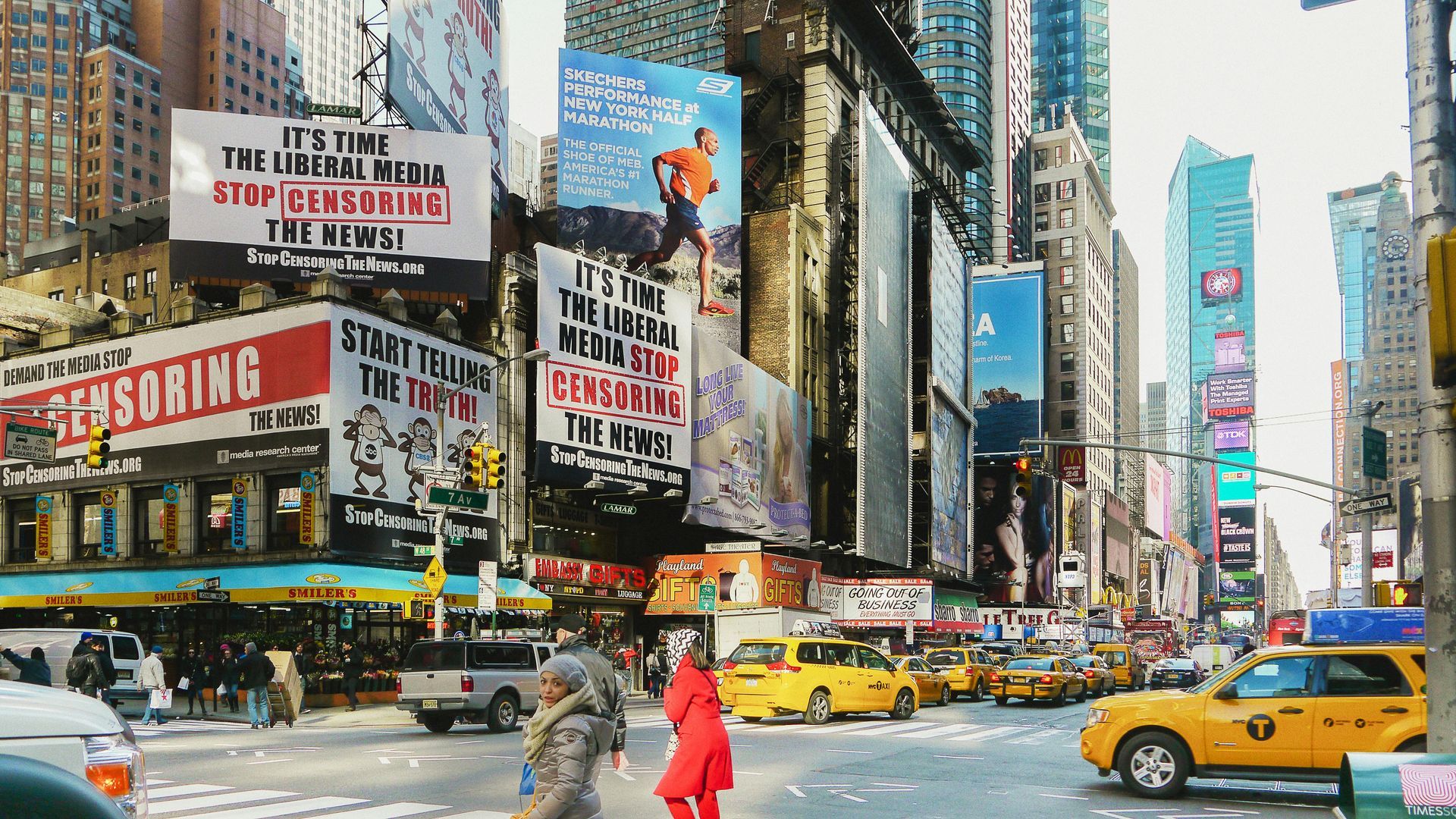
Newsjacking can, and should, be part of any content marketing strategy. It’s a powerful way to gain new attention for your business products or services, while connecting with a newsworthy event. That being said, many businesses make major mistakes with their newsjacking efforts, mistakes that hurt their business. Let’s take a look at the five big does and don’ts of newsjacking.

Copywriting is an essential part of your business, especially when it comes to branding. The words that you put out there in regards to your business will set everything in stone. Whether it's a blog or social media post, email, or a press release.
You know that influencer marketing is one of the fastest-growing marketing trends. You know that influencers can help you reach a much larger audience, increase your credibility and trust as a brand. And you know that influencers can help you strengthen your brand. However, what is often difficult to measure, or anticipate, is the ROI or return on investment from influencer marketing. The good news is that there are tangible ways to determine ROI of influencer marketing.

One of the best ways to get your business covered in the media is to build relationships with the media. This is often referred to as a media relations campaign. It can make the difference between getting the PR that you want and having your story ideas ignored. So the question then is, how do you build rapport with the media?
How are you using your earned media? Are you making the most of it and leveraging this amazing form of content to grow your business? In this post we’ll take a brief look at what earned media is and why it’s important, then we’ll focus on three things you should do with your earned media so you can immediately integrate them into your earned media strategy.

Writing a press release, whether it’s the first time or the fiftieth, can feel daunting. It can be tricky to know where to start, how to make it sound newsworthy, and how to get your voice and message across in a way that connects with your readers. There are, fortunately, some tools that can help you write the best press release possible.
84% of AI citations point to sources brands don't own. Learn how press releases and earned media earn citations in ChatGPT, Gemini and Perplexity answers.
This guide walks you through everything you need to know — structure, style, and what PressRelease.com’s editorial team looks for when reviewing a submission.
PressRelease.com gives you something most PR services don’t: the ability to choose exactly where your story appears. With more than a dozen outlets available, each reaching a different audience, the right choice depends entirely on what you’re trying to accomplish. This guide makes that decision easy.
You Published a Press Release. Now What? The Complete Guide to Amplifying Your News
Newsjacking can, and should, be part of any content marketing strategy. It’s a powerful way to gain new attention for your business products or services, while connecting with a newsworthy event. That being said, many businesses make major mistakes with their newsjacking efforts, mistakes that hurt their business. Let’s take a look at the five big does and don’ts of newsjacking.
Copywriting is an essential part of your business, especially when it comes to branding. The words that you put out there in regards to your business will set everything in stone. Whether it's a blog or social media post, email, or a press release.